
In recent weeks, the thermometer industry has been rocked by news of a federal antitrust probe. The investigation, which is still in its early stages, has sent shockwaves through the medical device and consumer electronics sectors, raising questions about pricing practices, market competition, and consumer impact. This FAQ article aims to break down the key details of the thermometer antitrust probe and what it means for businesses, consumers, and the industry as a whole.
What is an antitrust probe?
An antitrust probe is a formal investigation conducted by government agencies, such as the U.S. Department of Justice (DOJ) or the Federal Trade Commission (FTC), to determine whether companies have violated antitrust laws. These laws are designed to promote fair competition and prevent monopolistic practices, price-fixing, bid-rigging, and other anti-competitive behaviors. In the context of the thermometer industry, the probe focuses on whether manufacturers have colluded to artificially inflate prices, divide markets, or stifle innovation.
Antitrust investigations can be triggered by consumer complaints, whistleblower reports, or patterns observed by regulators. They often involve extensive document review, interviews with industry insiders, and economic analysis. If evidence of wrongdoing is found, the case may lead to civil lawsuits, criminal charges, or regulatory enforcement actions. For companies found guilty, the consequences can include hefty fines, structural remedies, and lasting reputational damage.
Who is being investigated in the thermometer antitrust probe?
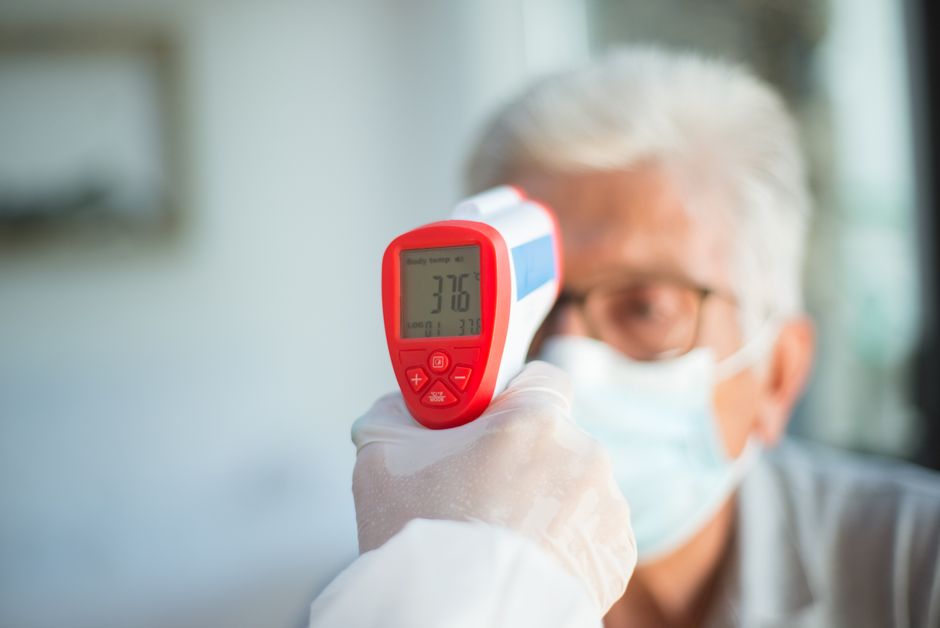
While specific company names have not been officially disclosed, sources familiar with the matter indicate that several major thermometer manufacturers are under scrutiny. These companies produce a wide range of thermometers, including digital oral thermometers, infrared ear and forehead thermometers, and smart thermometers connected to mobile apps. The probe reportedly includes both large multinational corporations and smaller specialized firms that dominate the medical and consumer thermometer markets.
The investigation is believed to have started after a routine review of pricing data revealed suspicious patterns, such as parallel price increases across multiple brands without a corresponding rise in production costs. This red flag prompted regulators to issue subpoenas and request internal communications from the companies involved. The identities of the targeted firms may become public as the probe advances, but until then, industry insiders are advised to cooperate fully with authorities.
What specific practices are under scrutiny?
The primary focus of the thermometer antitrust probe is alleged price-fixing and market allocation agreements. Price-fixing occurs when competitors agree to set prices at a certain level, rather than letting market forces determine them. Market allocation involves dividing customers, territories, or product lines among competitors to reduce competition. Investigators are also examining whether companies exchanged sensitive pricing information through trade associations or informal channels.
Another potential area of concern is the use of exclusive contracts or rebate schemes that may foreclose smaller rivals from the market. For example, if large thermometer manufacturers pressured retailers or healthcare providers to sign exclusive deals, it could harm competition and lead to higher prices for consumers. The probe will likely assess the cumulative effect of these practices on the overall competitiveness of the thermometer industry.
How does this affect consumers who buy thermometers?
If the allegations of price-fixing are proven, consumers may have been overpaying for thermometers for years. Antitrust violations typically result in artificially inflated prices, as colluding companies eliminate competitive pressure. This is especially concerning in the medical device sector, where accurate and affordable thermometers are essential for healthcare, home monitoring, and public health responses. Higher prices can deter some consumers from purchasing reliable thermometers, potentially compromising health outcomes.
Beyond pricing, reduced competition may also lead to slower innovation and fewer choices in the market. When companies collude, they have less incentive to invest in research and development or improve product quality. Consumers may end up with outdated technology or limited features because the competitive drive to innovate is diminished. If the probe leads to enforcement actions, it could restore competitive dynamics and benefit consumers through lower prices and better products.
What are the potential penalties for the companies involved?
Companies found guilty of antitrust violations face severe penalties. Under U.S. federal law, corporations can be fined up to $100 million for each violation, and individuals involved can face up to 10 years in prison and fines of up to $1 million. In practice, fines are often calculated based on the gain derived from the illegal activity or the loss suffered by victims, which can result in much larger penalties. For example, a company that overcharged consumers by millions could be fined double or triple that amount under the Clayton Act.
In addition to criminal and civil penalties, companies may be subject to class-action lawsuits from consumers and businesses that were harmed. These lawsuits can result in substantial monetary damages and legal fees. Furthermore, antitrust convictions often lead to corporate probation, oversight by compliance monitors, and damage to brand reputation that can take years to repair. Some companies may also face divestiture orders, forcing them to sell off assets to restore competition.
How has the thermometer industry responded to the probe?
The thermometer industry has responded to the antitrust probe with a mix of caution and cooperation. Several companies have issued public statements emphasizing their commitment to fair competition and compliance with antitrust laws. Many have hired external legal counsel to navigate the investigation and conduct internal reviews of their pricing practices. Industry trade associations have also reminded members of their obligations under antitrust guidelines and have organized compliance training sessions.
However, the probe has created a climate of uncertainty. Some companies have temporarily paused planned price increases or revised their commercial strategies to avoid drawing additional scrutiny. Investors have reacted cautiously, with stock prices of publicly traded thermometer manufacturers experiencing volatility following news of the investigation. The overall sentiment is one of wait-and-see, as the industry awaits further developments from regulators.
What should businesses in the thermometer market do now?
For businesses operating in the thermometer market, the antitrust probe serves as a critical reminder to review and strengthen compliance programs. Companies should immediately assess their pricing strategies, sales agreements, and communications with competitors to ensure they do not run afoul of antitrust laws. It is advisable to consult with antitrust attorneys to conduct a privileged internal audit. Key red flags include discussions with competitors about prices, territories, or customers, as well as agreements to limit production or allocate markets.
Businesses should also establish clear policies for trade association participation, document retention, and employee training on antitrust compliance. If a company receives a subpoena or information request from investigators, it should respond promptly and transparently while protecting legally privileged information. Proactive cooperation can sometimes lead to more lenient treatment, such as reduced penalties under the DOJ's leniency program. Above all, businesses should avoid any actions that could be perceived as collusive or retaliatory during the investigation.
What is the timeline for the antitrust probe?
Antitrust investigations are notoriously lengthy and can take several years to resolve. The current thermometer probe is still in the information-gathering phase, with regulators reviewing documents and conducting interviews. Depending on the complexity of the case and the level of cooperation from the companies involved, it could be 12 to 24 months before any formal charges are filed. If the investigation leads to litigation, the legal process could extend for additional years.
There are several possible outcomes: the probe may be closed without action if insufficient evidence is found; the government may seek a settlement or consent decree with the companies; or criminal charges may be brought against individuals and corporations. The timeline can also be accelerated if a company chooses to cooperate and self-report violations under the leniency program. Stakeholders should monitor official announcements from the DOJ or FTC for updates.
Could this lead to changes in thermometer pricing?
If the probe uncovers systematic price-fixing, it is likely that thermometer prices will eventually decrease as competitive forces are restored. Once collusive agreements are dismantled, companies will need to compete on price, quality, and features, which typically benefits consumers. In past antitrust cases involving other consumer goods, prices dropped by 10% to 30% after enforcement actions. However, the immediate effect may be price volatility as companies adjust their strategies under regulatory scrutiny.
In the short term, some manufacturers might freeze or lower prices to demonstrate good faith and avoid further legal exposure. Others may be hesitant to change prices too dramatically to avoid appearing as if they were previously overcharging. Over the long term, a more competitive market should lead to fairer pricing and better value for consumers. It is also possible that increased regulatory oversight will deter future anti-competitive behavior in the industry.
Where can I find more updates on this story?
For the latest updates on the thermometer antitrust probe, readers can follow official announcements from the U.S. Department of Justice Antitrust Division and the Federal Trade Commission. Major news outlets covering business and legal affairs, such as The Wall Street Journal, Bloomberg, and Reuters, are also reliable sources. Industry-specific publications like Medical Device News and HealthCare Business News often provide in-depth analysis of developments affecting the thermometer market.
Additionally, our website will continue to publish articles and updates as this story unfolds. We encourage you to subscribe to our newsletter or follow our social media channels to stay informed. If you have specific questions or insights about the probe, feel free to reach out through our contact page. Staying informed is crucial for consumers, businesses, and investors who may be affected by the outcome of this landmark investigation.